Countries
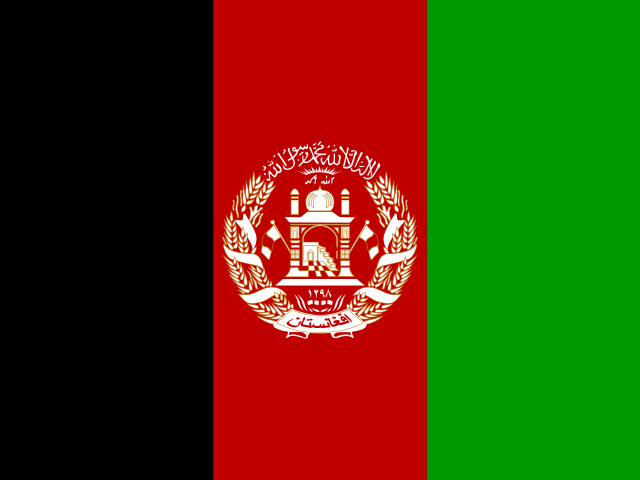
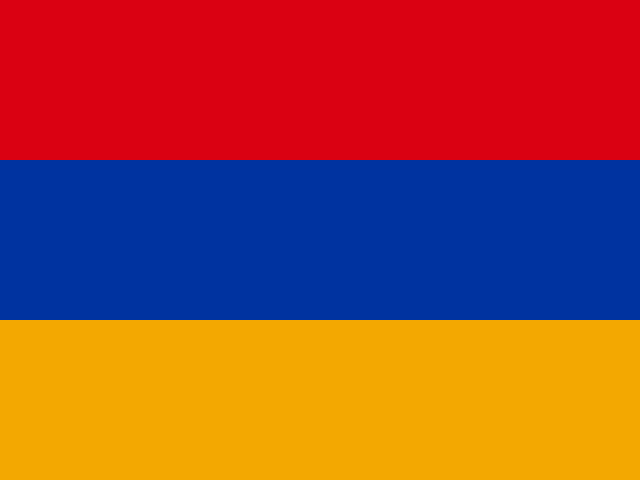
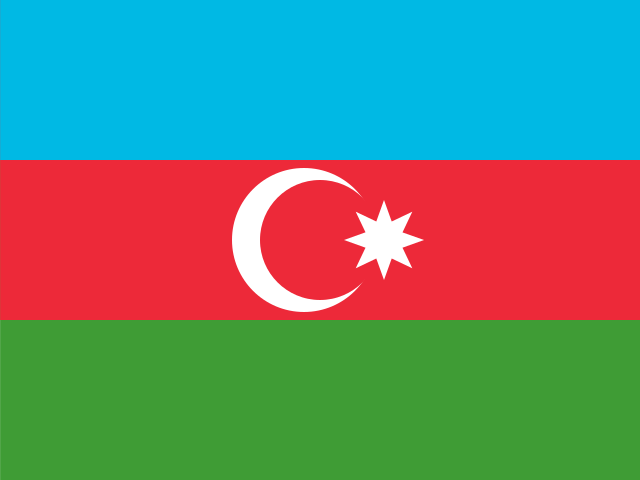
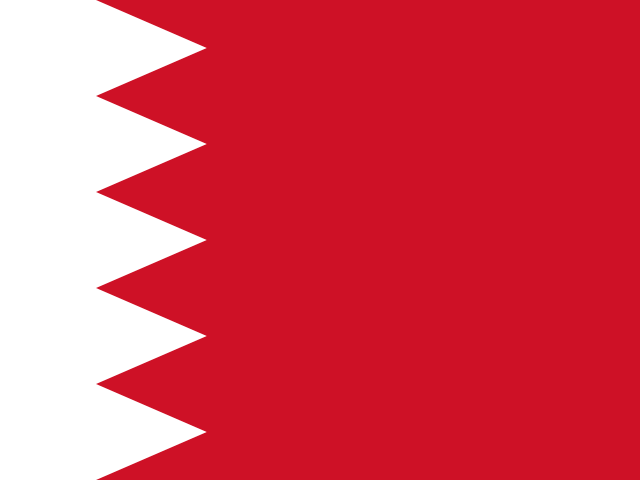
The flag decks are the heart of it: each card shows a flag, you name the country, then read three short sections on the flag's design, the country itself, and its languages. Pick a continent to keep sessions focused, cut it into bands by population, or take on all 197 at once.
By continent
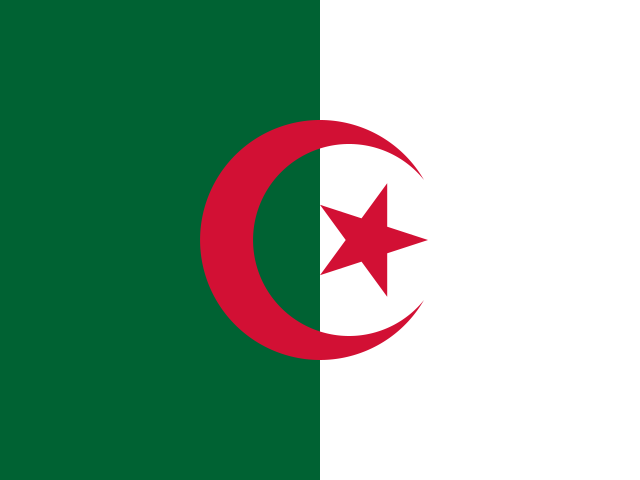
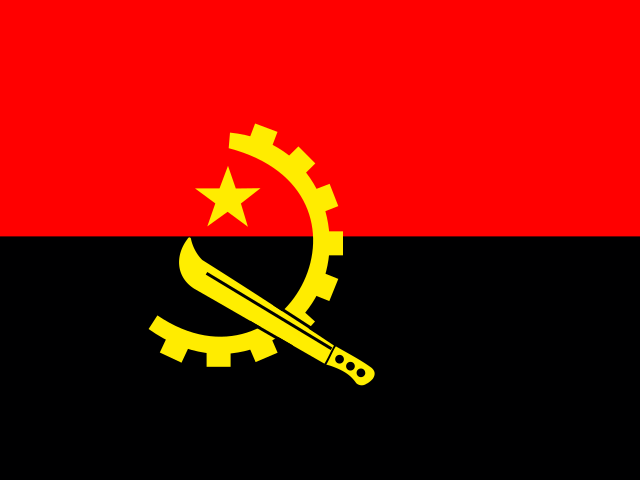
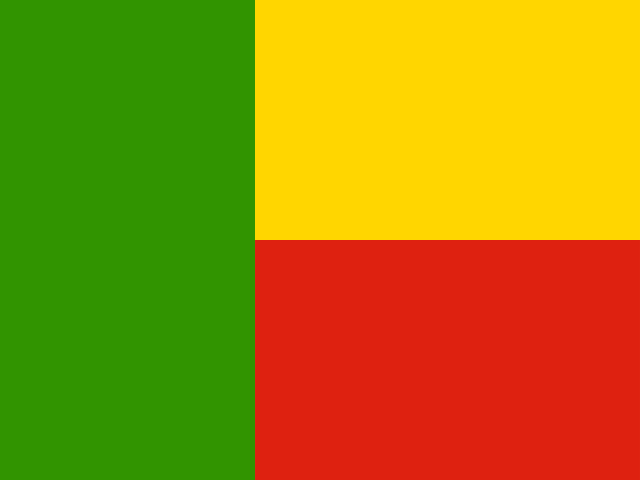
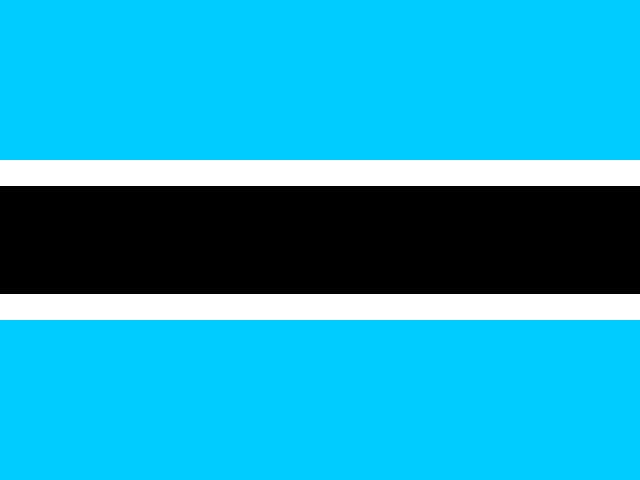
Africa
54 countries — the largest set, and the one most people find hardest.
54 flags · 0 learned · 54 not started
Asia
48 countries, from the Levant to the Pacific rim.
48 flags · 0 learned · 48 not started
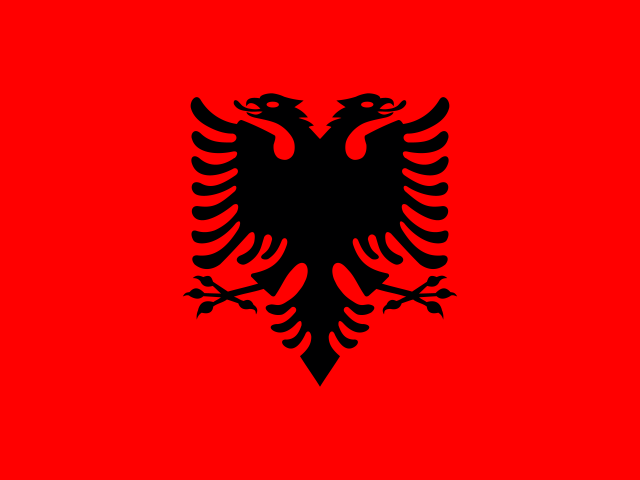
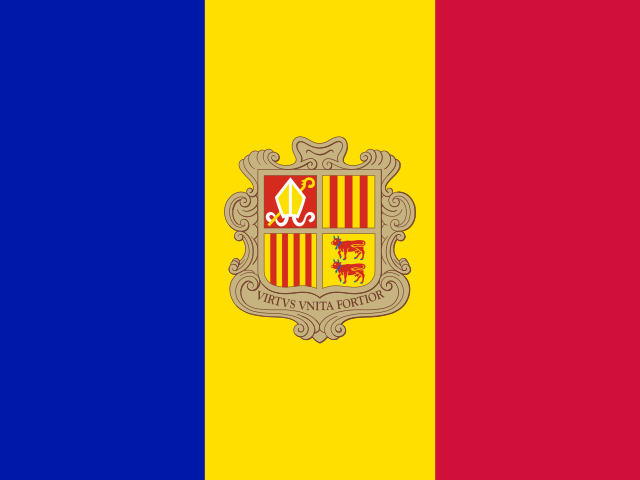
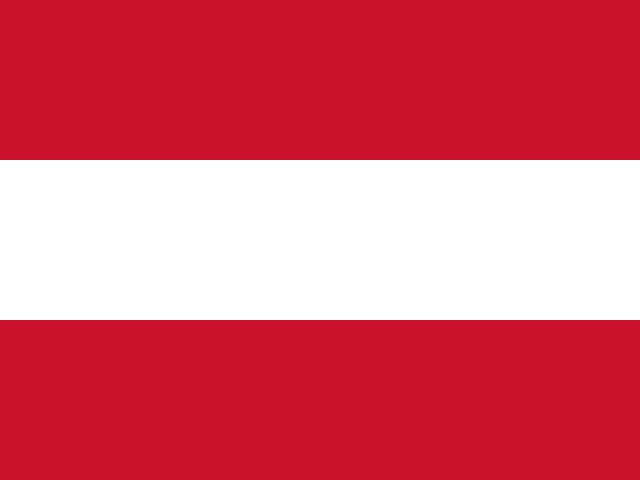
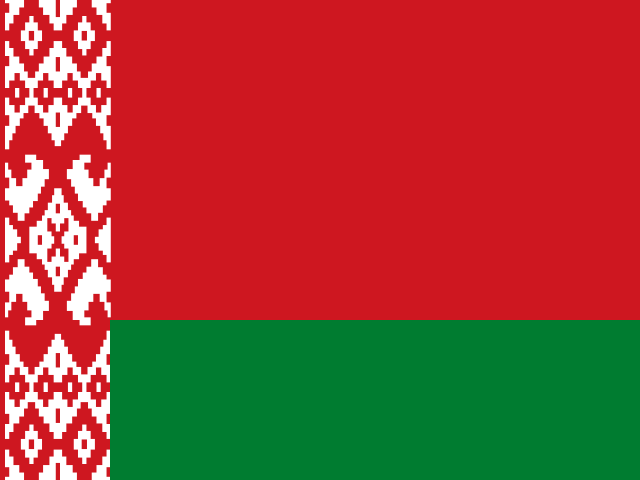
Europe
46 countries including Kosovo and Vatican City.
46 flags · 0 learned · 46 not started
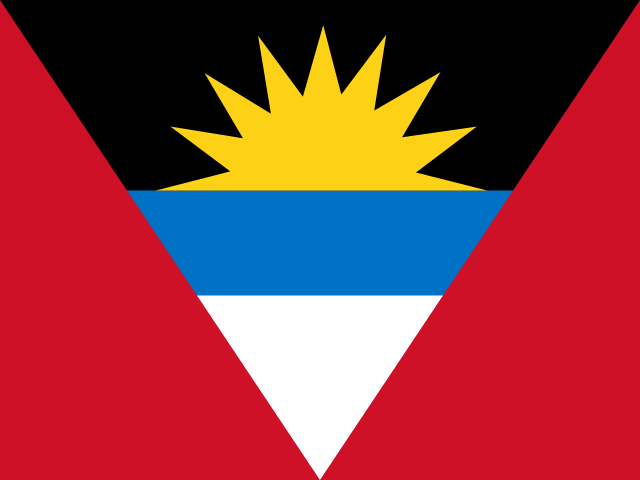
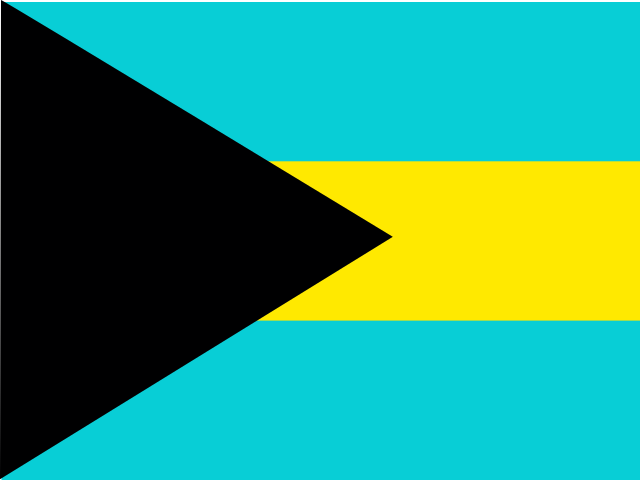
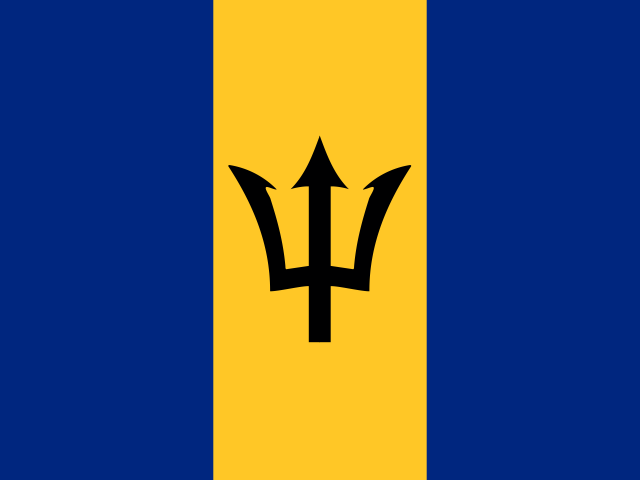
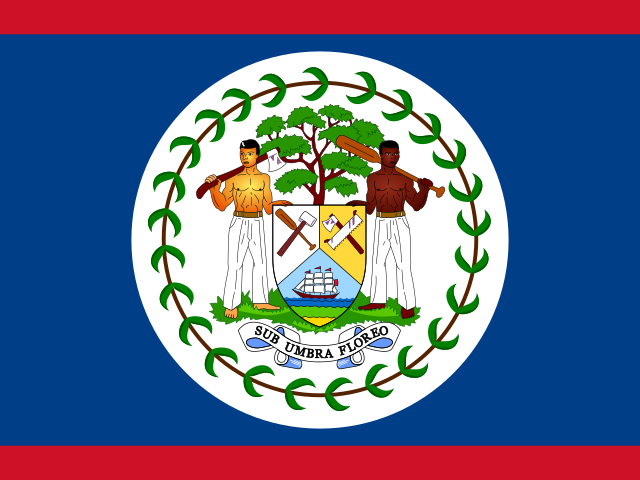
North America
23 countries across the Caribbean and the mainland.
23 flags · 0 learned · 23 not started
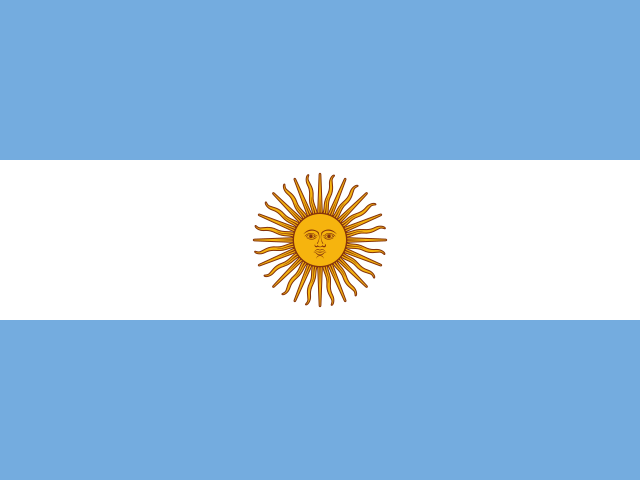
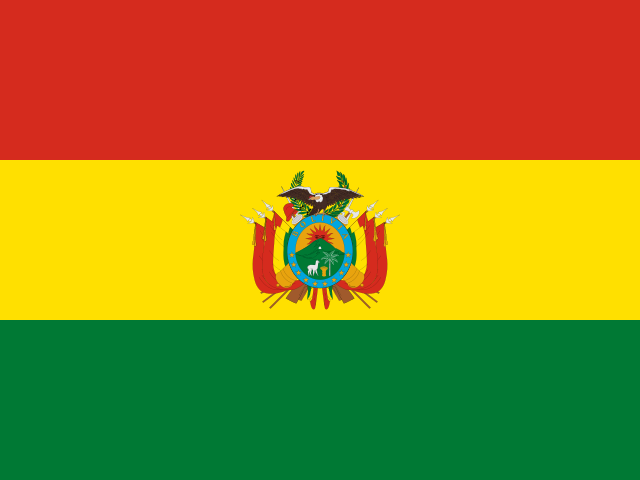
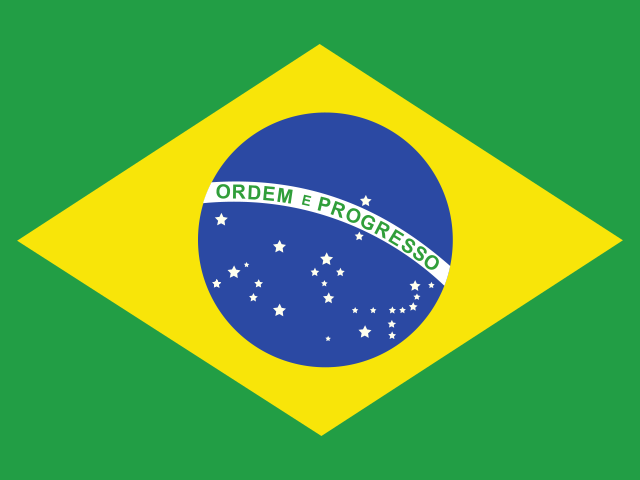
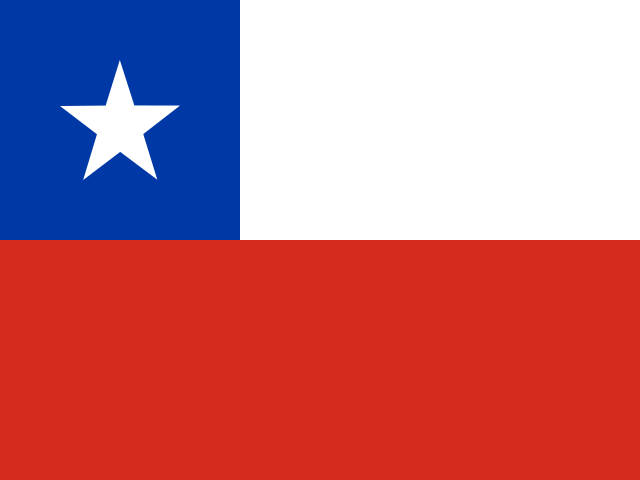
South America
12 countries — a good place to start.
12 flags · 0 learned · 12 not started
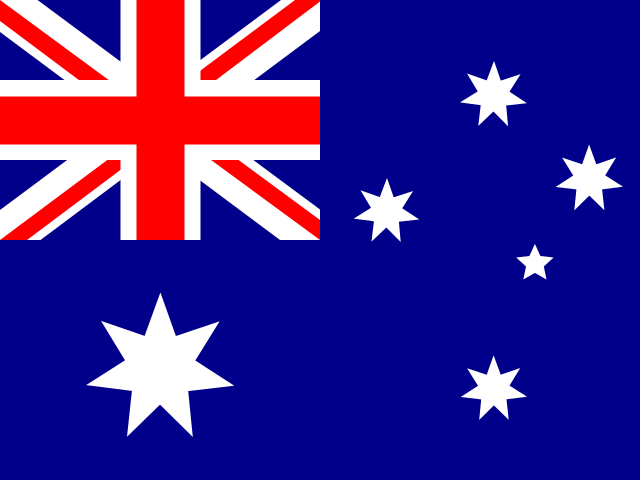
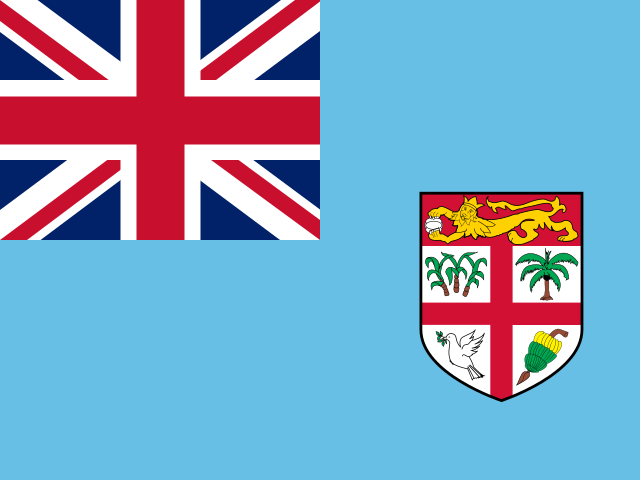
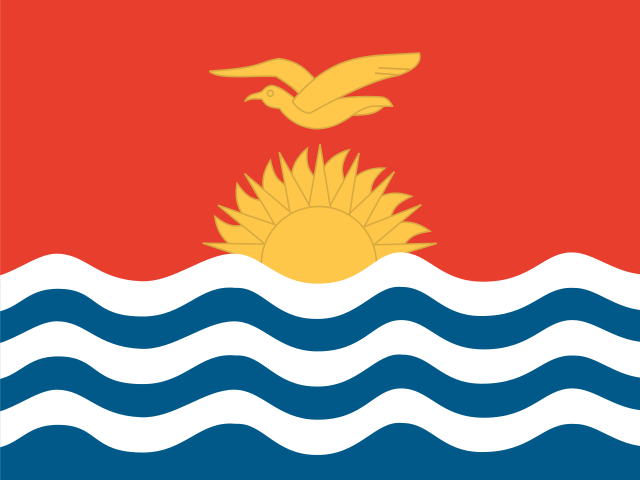
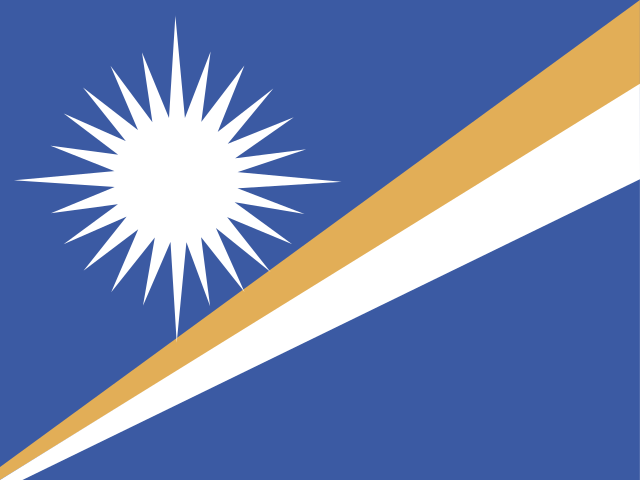
Oceania
14 countries scattered across the Pacific.
14 flags · 0 learned · 14 not started
By population
Over 20 million
58 countries of 20 million people or more — the ones most likely to come up, and the place to start if you are starting anywhere.
58 flags · 0 learned · 58 not started
3 to 20 million
76 countries between 3 and 20 million — well-known names without the giants.
76 flags · 0 learned · 76 not started
Under 3 million
63 countries under 3 million — mostly islands and microstates, and the hardest band by some distance.
63 flags · 0 learned · 63 not started
More ways to study
Pinpoint the countries
On the map →A flag, a blind map, and one click. A point for the country itself and nothing for a neighbour — and where you get it wrong, the map holds the answer up, marked and outlined, for as long as you care to look at it.
Name the capital
Start a round →A country is named and you pick its capital from six cities. The wrong ones are capitals too, and from the same part of the world wherever there are enough of them — so the question is which city, not which continent.
Name the web domain
Start a round →A country is named and you pick the two-letter domain it was given, from six that all belong to somewhere. The wrong ones come from the same part of the world wherever there are enough of them.